
poster
HomeProductsMachinery and EquipmentDeka Customized EquipmentPneumatic three-eccentric high-pressure butterfly valve
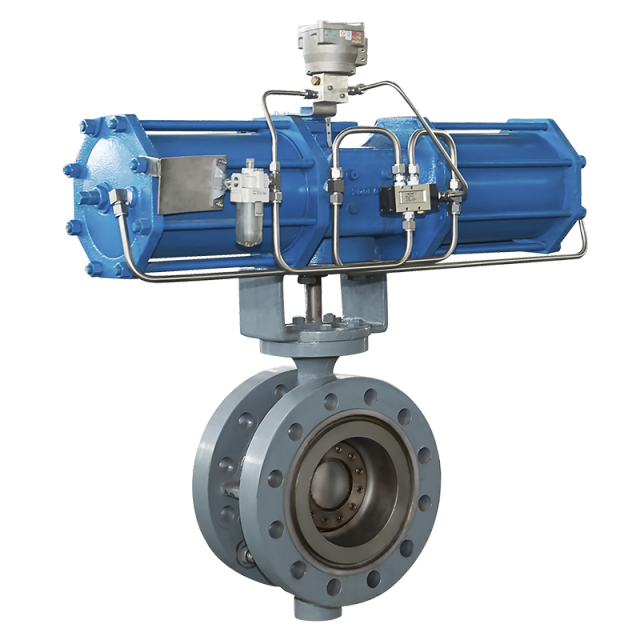
Pneumatic three-eccentric  high-pressure butterfly valve

Pneumatic three-eccentric high-pressure butterfly valve

The three-eccentric centre butterfly valve refers to adding an angular eccentricity on top of the double eccentric structure, so that the sealing surface of the butterfly valve becomes an inclined conical shape. The outer contour of the butterfly plate is processed into an outer inclined conical surface, while the inner side of the valve seat is processed into an inner inclined conical surface. The sealing section of the butterfly valve becomes an elliptical shape, and the shape of the butterfly plate sealing surface is asymmetrical in the upper and lower directions. Due to the inclined conical shape of the sealing surface, the butterfly plate on the larger side is pushed upwards towards the valve seat along the large inclined curve, and the butterfly plate on the smaller side is pushed downwards towards the valve seat along the small inclined curve. The sealing ring of the butterfly plate and the valve seat do not rely on the elastic deformation of the sealing ring for sealing, but achieve sealing completely by the compression of the contact surface. Therefore, it can achieve full metal sealing.

PRODUCT DETAIL

overview

The three-eccentric centre butterfly valve refers to adding an angular eccentricity on top of the double eccentric structure, so that the sealing surface of the butterfly valve becomes an inclined conical shape. The outer contour of the butterfly plate is processed into an outer inclined conical surface, while the inner side of the valve seat is processed into an inner inclined conical surface. The sealing section of the butterfly valve becomes an elliptical shape, and the shape of the butterfly plate sealing surface is asymmetrical in the upper and lower directions. Due to the inclined conical shape of the sealing surface, the butterfly plate on the larger side is pushed upwards towards the valve seat along the large inclined curve, and the butterfly plate on the smaller side is pushed downwards towards the valve seat along the small inclined curve. The sealing ring of the butterfly plate and the valve seat do not rely on the elastic deformation of the sealing ring for sealing, but achieve sealing completely by the compression of the contact surface. Therefore, it can achieve full metal sealing.


Product Characteristics


Valve body structure: The integrated casting valve body is easy to install.


Full-metal sealing: The sealing surface is welded with Stellite alloy, which is resistant to erosion and wear, and can be applied in various high-temperature and high-pressure harsh working conditions.


Valve bonnet extension structure: For high and low temperature media, a longer-neck valve cover is adopted to prevent the packing and drive mechanism from being affected by temperature.


Sealing performance: It can reach the highest level of ANSI/FCI 70-2 VI grade.


Bidirectional pressure-bearing: Both the inlet and outlet ends of the valve can withstand pressure, enabling installation without flow direction restrictions.


Independent valve seat: It can achieve bidirectional sealing. The design of replaceable valve seat and sealing ring ensures that the entire machine will not be scrapped due to sealing wear.


Three safety functions: fire prevention, anti-static, and valve stem anti blow out


Drive methods: pneumatic, electric, manual.
Online Inquiry

Related Products

Pneumatic three-eccentric  high-pressure butterfly valve

Pneumatic three-eccentric high-pressure butterfly valve

The three-eccentric centre butterfly valve refers to adding an angular eccentricity on top of the double eccentric structure, so that the sealing surface of the butterfly valve becomes an inclined conical shape. The outer contour of the butterfly plate is processed into an outer inclined conical surface, while the inner side of the valve seat is processed into an inner inclined conical surface. The sealing section of the butterfly valve becomes an elliptical shape, and the shape of the butterfly plate sealing surface is asymmetrical in the upper and lower directions. Due to the inclined conical shape of the sealing surface, the butterfly plate on the larger side is pushed upwards towards the valve seat along the large inclined curve, and the butterfly plate on the smaller side is pushed downwards towards the valve seat along the small inclined curve. The sealing ring of the butterfly plate and the valve seat do not rely on the elastic deformation of the sealing ring for sealing, but achieve sealing completely by the compression of the contact surface. Therefore, it can achieve full metal sealing.

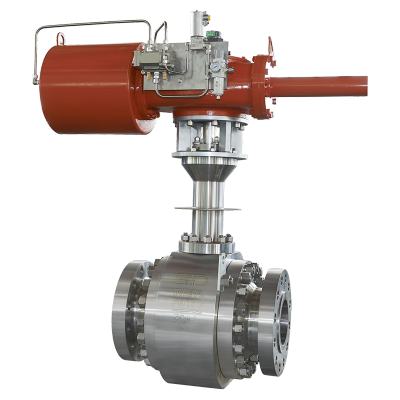
Ultra-low temperature pneumatic O-type cut-off ball valve

Ultra-low temperature pneumatic O-type cut-off ball valve

Low-temperature valves are valves used in low-temperature medium conditions. They are mostly used in devices for low-temperature media such as ethylene, liquefied natural gas, etc., LNG storage tanks, air separation equipment, etc. The working conditions of low-temperature valves are very demanding. The working medium of most of them is flammable and explosive substances like ethylene, LNG, LOX, etc. When heated, they vaporize and expand hundreds of times, with the lowest working temperature reaching -196℃ and the maximum operating pressure reaching 10 MPa. Therefore, the design, manufacture, and inspection of low-temperature valves differ significantly from those of general valves. Our company has accumulated rich experience through years of production practice. From design, process to manufacturing, it has become increasingly mature, and we have developed a series of low-temperature valve products.

High temperature high pressure regulating valve

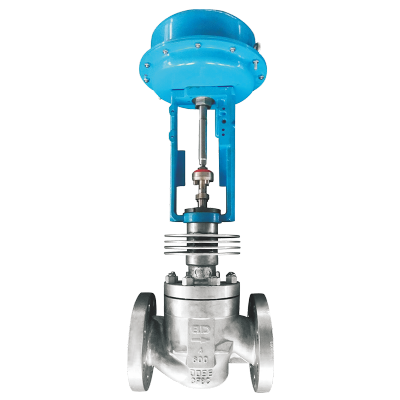
High temperature high pressure regulating valve

Regulating Valves are indispensable and crucial equipment in modern industrial facilities. In the fields of petroleum, natural gas, power, chemical engineering, and environmental protection, the environments involved are mostly high-temperature and high-pressure conditions, thus demanding high-quality valves. High-temperature and high-pressure valves have the characteristics of stable operation under harsh conditions, significant pressure reduction effect, convenient maintenance and repair, easy detection and elimination of safety hazards, and cost savings. They possess obvious advantages in terms of structural design, process improvement, and superior performance under harsh conditions.

+86-577-65816278

+8615356261978

info@zhejiangshenke.com